Nutrition and Healthy Eating Habits for Young Children
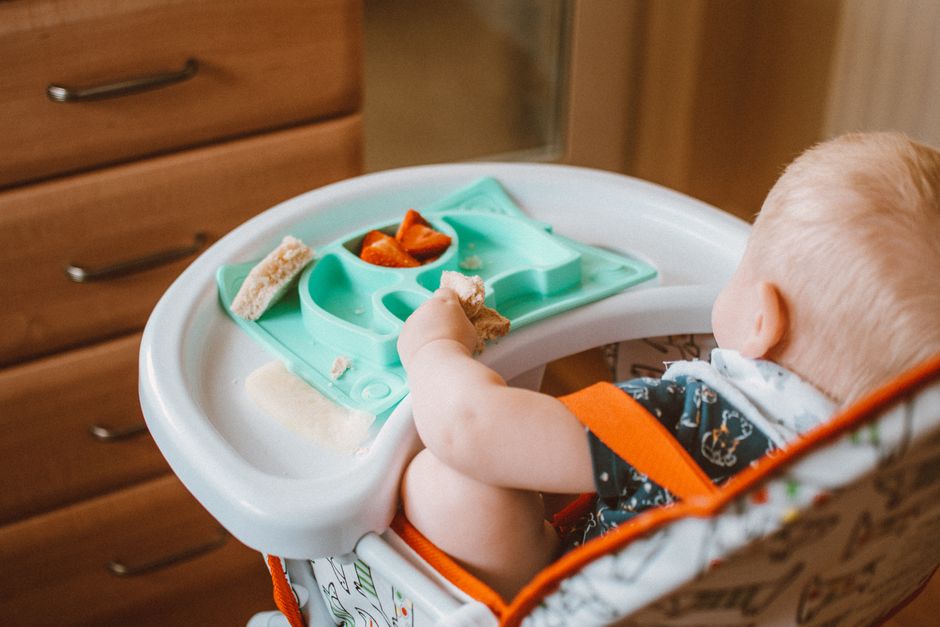
What your child eats in their early years matters. Nutrition fuels growth and brain development, and the eating habits they develop now often continue into adulthood. As a parent, understanding how to support healthy eating at nursery and home is crucial.
Nutritional needs for young children. Toddlers and preschoolers need a variety of foods from all the main groups: fruits and vegetables, starchy carbohydrates, protein, dairy or alternatives, and healthy fats. Portion sizes are smaller than for adults, but nutrient density is equally important.
The nursery approach to mealtimes. Quality nurseries plan menus carefully to ensure balanced nutrition. They often involve children in food preparation, which builds interest in eating and understanding where food comes from. Mealtimes are also social occasions where children learn table manners and social skills.
Encouraging adventurous eating. It's normal for young children to be cautious about new foods. Research shows children may need to be exposed to a new food 10-15 times before accepting it. Avoid forcing children to eat, but do keep offering variety. Let them see other children enjoying different foods.
Managing fussy eating. Fussy eating is a normal developmental phase. Offer a variety of foods without pressure. Include at least one food you know your child will eat at each meal. Avoid using dessert as a reward for eating vegetables, as this reinforces the idea that some foods are "good" and others are "treats."
Hydration matters too. Young children should drink plenty of water throughout the day. Limit sugary drinks and juice, which can cause tooth decay and reduce appetite for nutritious foods. Most nurseries provide water freely.
Allergies and dietary requirements. Tell your nursery immediately about any allergies, intolerances, or dietary preferences. Staff should have clear protocols for managing these safely. Always provide written confirmation and check labels together.
Screen time and eating. Avoid eating meals in front of screens at home. This helps children develop awareness of hunger and fullness cues, and makes mealtimes a time for family connection.
Leading by example. Children learn by watching adults. If you eat a varied diet and enjoy different foods, your child is more likely to do the same. Involve them in shopping, cooking, and meal preparation whenever possible.
Celebrating food together. Make mealtimes positive and social. Eat together when you can, talk about the food, and avoid using food as punishment or reward. This builds a healthy relationship with eating that lasts a lifetime.