Understanding Play-Based Learning in Early Years
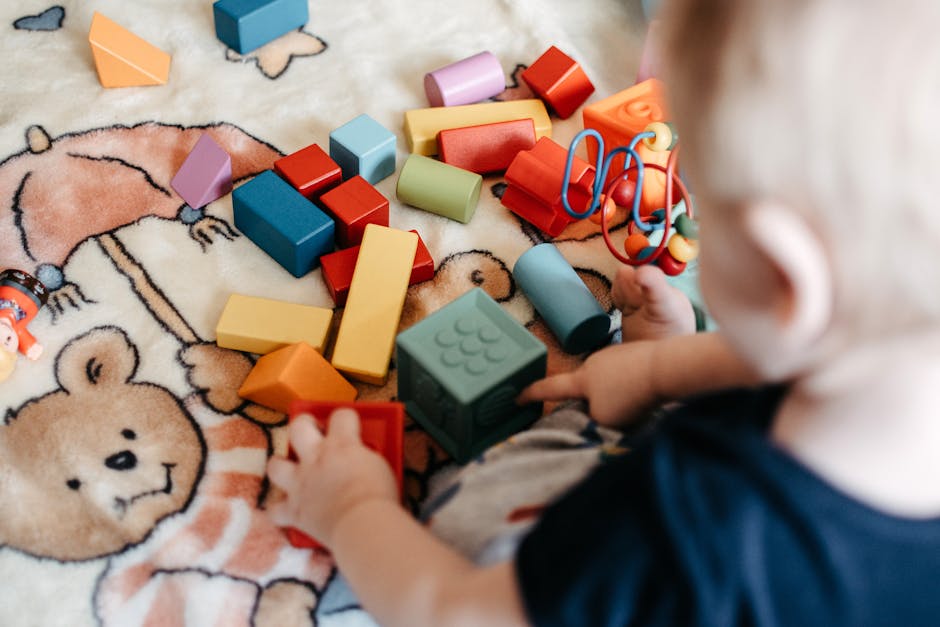
If you've ever watched a toddler build with blocks, splash in water, or create art with paint, you've witnessed learning in action. Play-based learning is the foundation of early years education, and understanding its importance helps parents and carers support their child's development at home and in nursery.
What is play-based learning? It's an educational approach where children learn through play, exploration, and discovery rather than formal instruction. Instead of sitting at a table with worksheets, children engage with their environment, ask questions, and solve problems through play.
Why is it so effective? Young children's brains are designed to learn through play. When children play, they're developing cognitive skills, language, social abilities, and emotional understanding—often without realising they're learning at all. Play feels natural and enjoyable, which means children are more engaged and motivated.
Key areas of development through play. Physical play—running, climbing, dancing—develops gross and fine motor skills. Imaginative play builds creativity and emotional understanding. Construction play develops problem-solving and spatial awareness. Water and sensory play teaches cause and effect. Social play with other children builds friendship skills and empathy.
The role of adults in play-based learning. Nursery staff don't simply supervise play; they facilitate it. They observe children, ask open-ended questions, introduce new materials, and extend learning by following the child's interests. This is called "sustained shared thinking."
Supporting play at home. You don't need expensive toys. Simple materials like cardboard boxes, water, sand, paint, and household items inspire imaginative play. The key is giving your child unstructured time to explore and play without constant direction from adults.
The balance of learning areas. Good early years settings balance child-initiated play (where children choose what to do) with adult-led activities (where staff introduce specific learning). Both are essential. Child-initiated play respects the child's interests and builds independence; adult-led activities ensure exposure to key learning areas.
Play-based learning and school readiness. Parents sometimes worry that play-based learning won't prepare children for "proper" school. In fact, the opposite is true. Children who've developed strong problem-solving skills, confidence, and love of learning through play are better equipped for school than those who've been pushed into formal learning too early.
Celebrating mess and mistakes. Play can be messy—paint on clothes, sand on the floor, water spilled. This is part of the learning process. The mess represents exploration, creativity, and discovery. It's where the real learning happens.